
Sensing Space, Ritual, and Economy
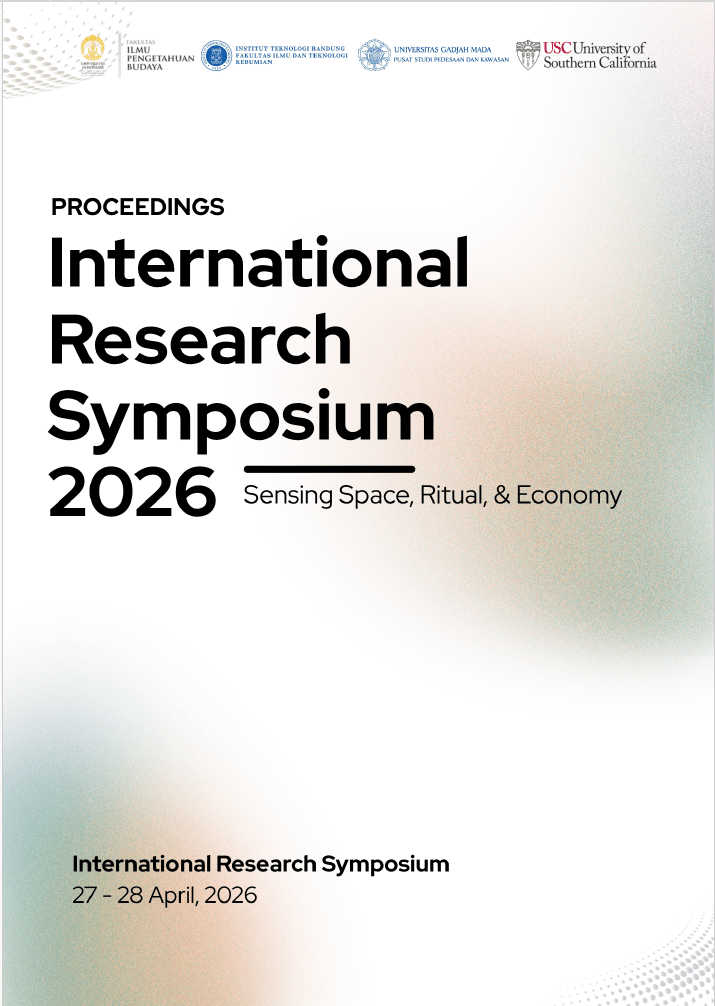
Abstract
Sensing Space, Ritual, & Economy proposes an analytical conversation across three domains that are often examined separately. “Sensing space” foregrounds the embodied and relational ways through which people encounter place: through movement, memory, affect, sound, visibility, material form, and everyday routines. Space, from this perspective, is not simply occupied. It is continuously interpreted and produced through social relations and through the different capacities of people to access, use, claim, or transform particular places.
Ritual draws attention to practices through which communities give form to collective values, identities, histories, and relationships with both human and more-than-human worlds. Ritual practices may stabilize spatial orders, mark boundaries, reproduce belonging, or open spaces for negotiation and change. Their significance is therefore inseparable from embodiment and from the material environments in which they take place.
Economy introduces questions of livelihood, labour, exchange, development, tourism, migration, and resource distribution. Economic change can alter landscapes and patterns of mobility, while spatial and ritual practices can also shape the ways economic opportunities and constraints are understood and negotiated. Reading together, space, ritual, and economy provide a productive framework for investigating how social transformations become visible in everyday life and how large-scale processes are experienced at the level of communities, bodies, and places.


Leave a Reply